
Retail range planning
Soft Drinks or Energy Drinks? Planning Your Retail Range
A retailer’s drinks range should reflect the customers and occasions it serves. Soft drinks and energy drinks may fulfil different roles, so a balanced range starts with your own sales evidence rather than a universal list of bestselling brands.
Review your customers and selling space
Consider your store format, customer requests, available fridge space and existing sales. Compare individual products rather than treating every soft drink or every energy drink as interchangeable.
Build a manageable starting range
- Identify established products your customers already request.
- Compare unit sizes, case quantities and selling prices.
- Decide how much space to allocate to each line.
- Check supplier minimums and replenishment arrangements.
- Test new flavours in quantities your business can manage.
Measure before expanding
Track units sold, gross profit per unit, stockouts and slow-moving stock over a meaningful trading period. Consider seasonal and promotional effects before assuming one short period represents normal demand.
Expand the range when the evidence supports it. Confirm product labelling and any relevant selling requirements for your market. This guide does not claim that one category always sells faster or delivers a higher margin; those results depend on your specific products, costs and customers.
Use your own sales evidence to choose the mix
Start with recent sales by product and pack size rather than assuming one category will sell faster everywhere. Note what customers ask for, which lines sell without discounting and which remain in storage. Compare like-for-like periods where possible; a promotion or an unusually busy week can distort a short sample.
Separate chilled single-unit sales from multipack or take-home purchases. They use different shelf space and may call for different formats. Check fridge capacity, shelf dimensions and the space needed for unopened cases before adding several new lines at once.
Test a defined selection and review it
Choose a manageable set of core products and a smaller number of new flavours. Record the case quantity, total cans or bottles and expected weeks of stock for each. Review actual sell-through before repeating the order, and track slow-moving products separately so they do not disappear inside a mixed-pallet total.
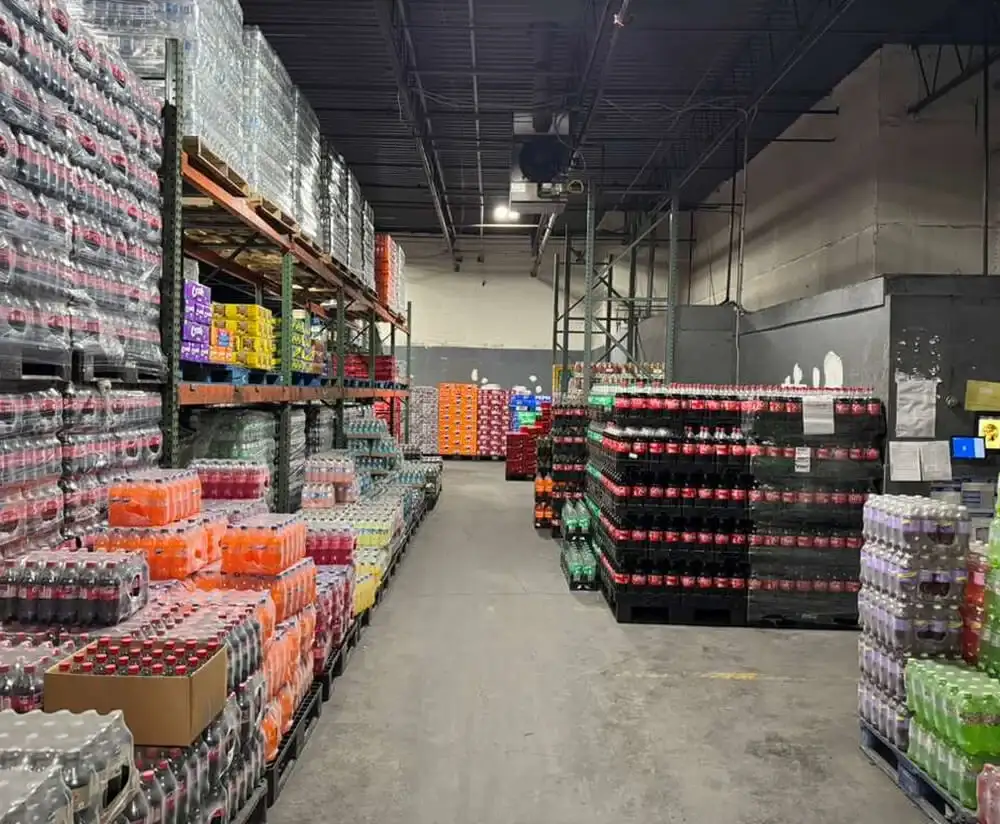
Compare TRIMAYU’s Coca-Cola, Pepsi, Fanta and Sprite range with the Red Bull and Monster Energy range. Soft drinks and energy drinks are packed on separate pallets. Use our mixed-order information and quotation form to ask about a selection matched to your store.
A simple range-review sheet
| Measure | Record for each product |
|---|---|
| Demand | Units sold over a comparable period. |
| Space | Chilled shelf space and unopened-case storage. |
| Reorder decision | Sell-through, remaining dates and current stock. |
A promotion or a busy week may not represent normal demand.