
Buyer guide · Delivery planning
Drinks pallet delivery requirements
These are the pallet delivery requirements every drinks buyer should check. A full pallet of soft drinks or energy drinks usually weighs more than a tonne, so before it leaves Watford make sure the vehicle can reach you, the pallet can be unloaded safely by forklift or tail lift, and you have room to store it.
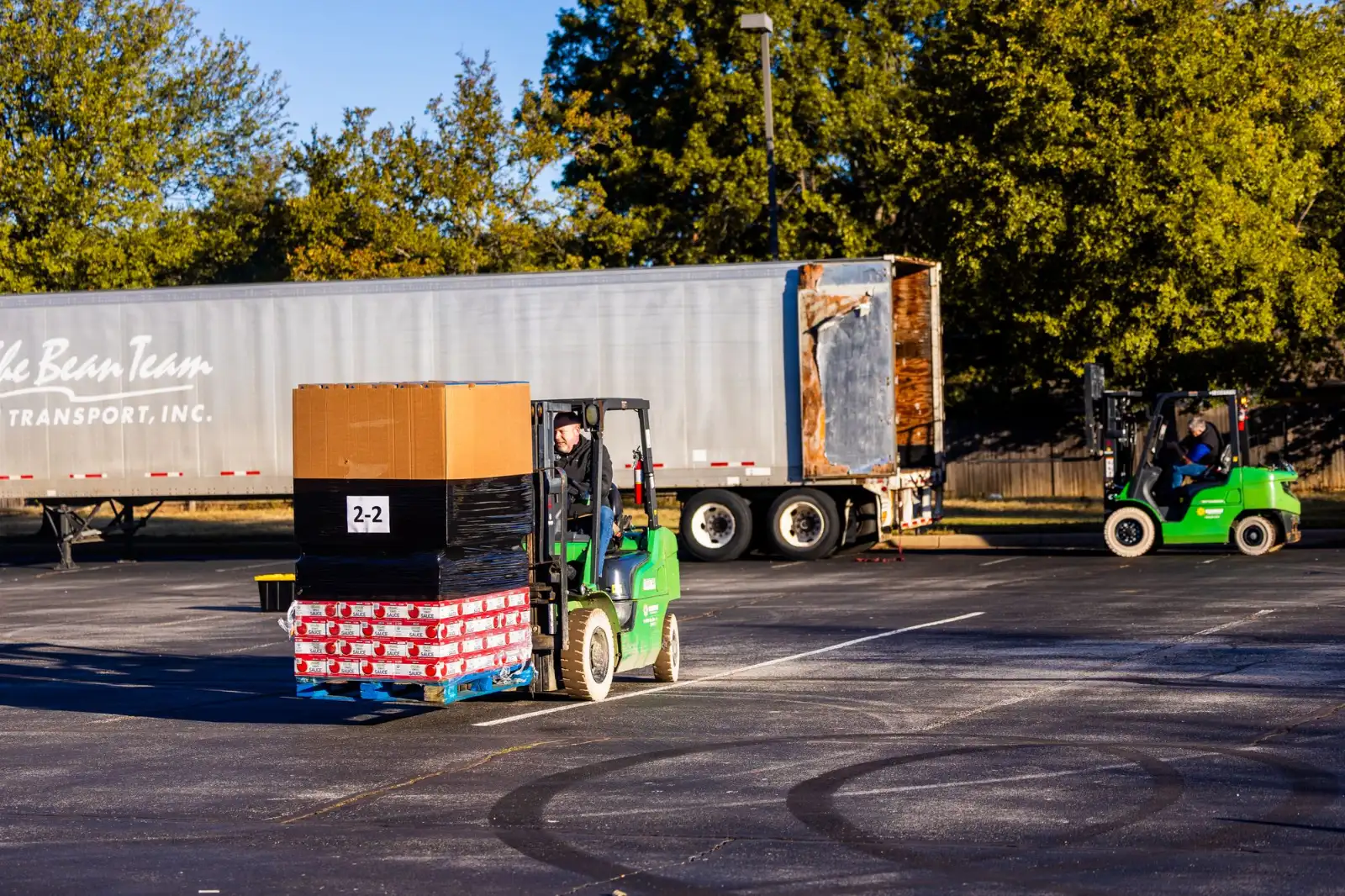
Key takeaways
- A full drinks pallet often weighs over 1,000 kg, so plan how it will come off the vehicle before you order.
- A forklift or loading dock handles full pallets most easily. A tail-lift needs firm, level ground and a pallet within the lift’s limit.
- Give the full postcode, a contact on site, receiving hours and any access limits when you request a quote.
- Standard delivery is kerbside or accessible ground level. Moving stock indoors is extra unless agreed.
- Check the count and condition, and note any damage before signing.
Most failed drinks deliveries come down to a handful of predictable problems: nobody on site to receive the goods, no way to get a heavy pallet off the vehicle, or a site the lorry cannot reach. Sharing the details below with your quote request lets us price the right service first time and avoid repeat deliveries, which add cost and delay your stock.
How heavy is a pallet of drinks, cans or water bottles?
Heavier than most buyers expect. Drinks are mostly water, and a litre of water weighs about a kilogram. Our example pallet of 2,112 × 500 ml cans (see how many cases are on a pallet) holds around 1,056 litres of drink. That is roughly 1,056 kg before the weight of the cans, trays, shrink-wrap and the wooden pallet itself.
| Pack | Approx. weight per case | Example |
|---|---|---|
| 24 × 330 ml cans (e.g. Coca-Cola, Pepsi) | About 8.6 kg | 100 cases ≈ 860 kg of stock |
| 24 × 500 ml cans (e.g. Monster Energy) | About 12.9 kg | 88 cases (2,112 cans) ≈ 1,130 kg |
| 24 × 500 ml bottles (soft drinks or water) | About 13 kg | 80 cases ≈ 1,040 kg |
| 6 × 2 litre bottles | About 12.8 kg | 80 cases ≈ 1,020 kg |
So how much does a pallet of Coca-Cola weigh? A full pallet of Coca-Cola, or any canned soft drink, usually weighs roughly 0.9 to 1.2 tonnes once the wooden pallet (about 20–25 kg) and wrapping are added. A pallet of bottled water is similar, because water weighs about 1 kg per litre.
| Loaded pallet weight | Usual way to unload | What to tell us |
|---|---|---|
| Lighter or part pallets | Tail-lift and pallet truck may be suitable | Ground surface at the vehicle and any step or slope |
| Around the tail-lift’s rated limit | Check with us. The order may need splitting into lighter pallets | Whether a forklift is available at any point in the day |
| Full drinks pallet (often 1,000 kg+) | Forklift or loading dock | Forklift availability and the operator’s hours |
Tail-lift limits vary by vehicle and carrier. Many pallet networks quote around 750 kg for a standard tail-lift service. Industry guidance from the Road Haulage Association sets no single national limit and asks drivers to risk-assess each delivery, so we confirm the right method for your order before dispatch.
1. Confirm the delivery address and contact
Give the full trading address, not a registered office or head office, with the complete postcode. Delivery cost and transit time are calculated from the postcode, so an incomplete one can change your quote.
- Business name as it appears on site signage
- Full address and postcode
- Name and mobile number of the person receiving the delivery
- Opening and receiving hours, and any days you are closed
- Any booking reference or slot your site requires (common at larger stores and distribution centres)
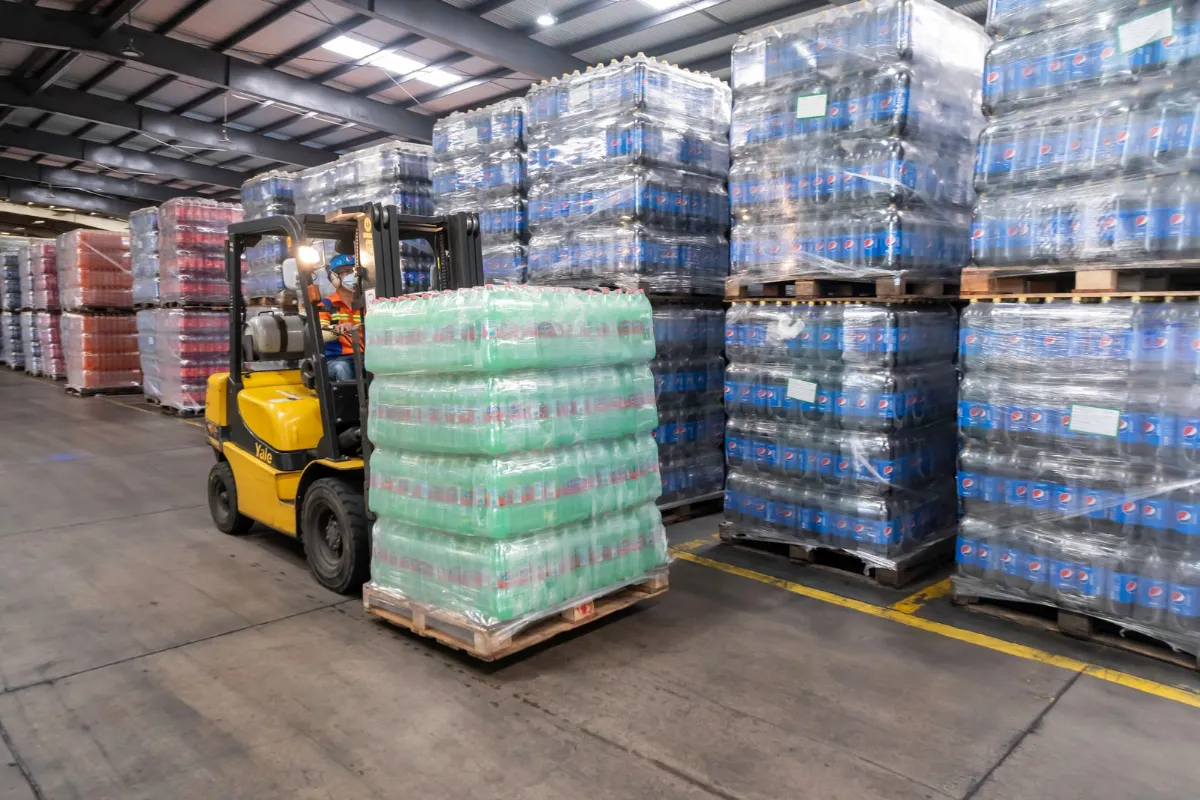
2. Decide how the pallet will be unloaded: forklift, dock or tail-lift
This is the most important detail to get right. The method decides which vehicle is booked, and the wrong one is the most common reason a delivery fails.
| Unloading method | What you need on site | Points to check |
|---|---|---|
| Forklift | A working forklift and a trained operator available when the vehicle arrives | The most flexible option for full drinks pallets |
| Loading bay or dock | A dock level with the vehicle bed, and a pallet truck | Tell us the dock height and whether vehicles must book in |
| Tail-lift vehicle | Firm, level ground at the vehicle. The driver lowers the pallet and moves it with a pallet truck | The loaded pallet must be within the tail-lift’s rated limit, and a full drinks pallet can exceed it |
No forklift? Tell us when you enquire. We will check whether a tail-lift delivery is suitable, or whether your order should be built into lighter pallets. Where a tail-lift is suitable and confirmed for your order, there is no separate tail-lift surcharge.
What is a tail lift delivery?
A tail lift delivery means the lorry has a powered platform at the back. The driver rolls the pallet onto the lift, lowers it to the ground and moves it with a hand pallet truck. It is the usual answer when you have no forklift or loading bay, but it has limits:
- Weight: the loaded pallet must be within the lift’s rated limit. Many pallet networks quote about 750 kg for a standard tail lift service, so a full drinks pallet may need splitting.
- Ground: the lift and pallet truck need firm, flat ground, such as tarmac or concrete. Gravel, grass and slopes are unsuitable.
- Booking: “tail lift delivery required” must be confirmed before dispatch, so the right vehicle is sent.
- Drop point: the pallet is left at ground level, kerbside or at an accessible point, not carried inside.
3. Check vehicle access
Pallets usually arrive on a rigid lorry or a larger vehicle. Let us know anything that might stop it reaching you or parking safely while it unloads:
- Narrow roads, tight turns or one-way systems
- Low bridges, weight limits or width restrictions on the approach
- Gates, barriers or security points, and who opens them
- Parking or loading restrictions outside the premises, including red routes and controlled hours
- Rural, island or remote locations
4. Check the ground between the vehicle and your storage
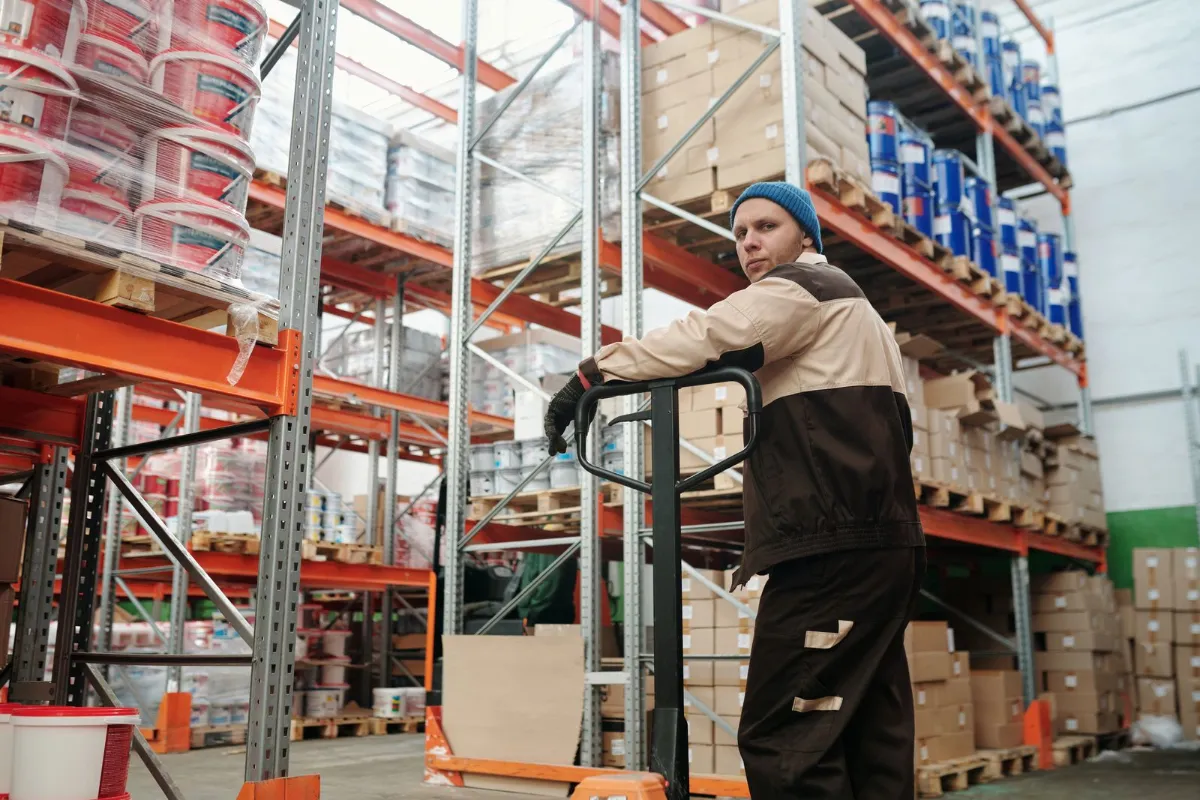
A pallet truck needs a smooth, hard and level surface such as concrete, tarmac or warehouse flooring. Gravel, grass, cobbles, slopes and steps make a heavy pallet hard or unsafe to move, and a tail-lift should not be used on them.
Standard delivery is kerbside or to accessible ground level, so plan how you will move the stock from there. If it has to go up steps or through a shop, the pallet will need breaking down at the kerb and the cases moving by hand, unless something else has been agreed in your quotation.
5. Make room to store it
- Clear at least 1200 × 1000 mm of floor per pallet, plus room to get a pallet truck in and out.
- Store drinks somewhere cool and dry, away from direct sunlight and heat sources.
- Do not stack loaded pallets unless your racking and the packaging are designed for it.
- Rotate stock so the earliest best-before dates sell first.
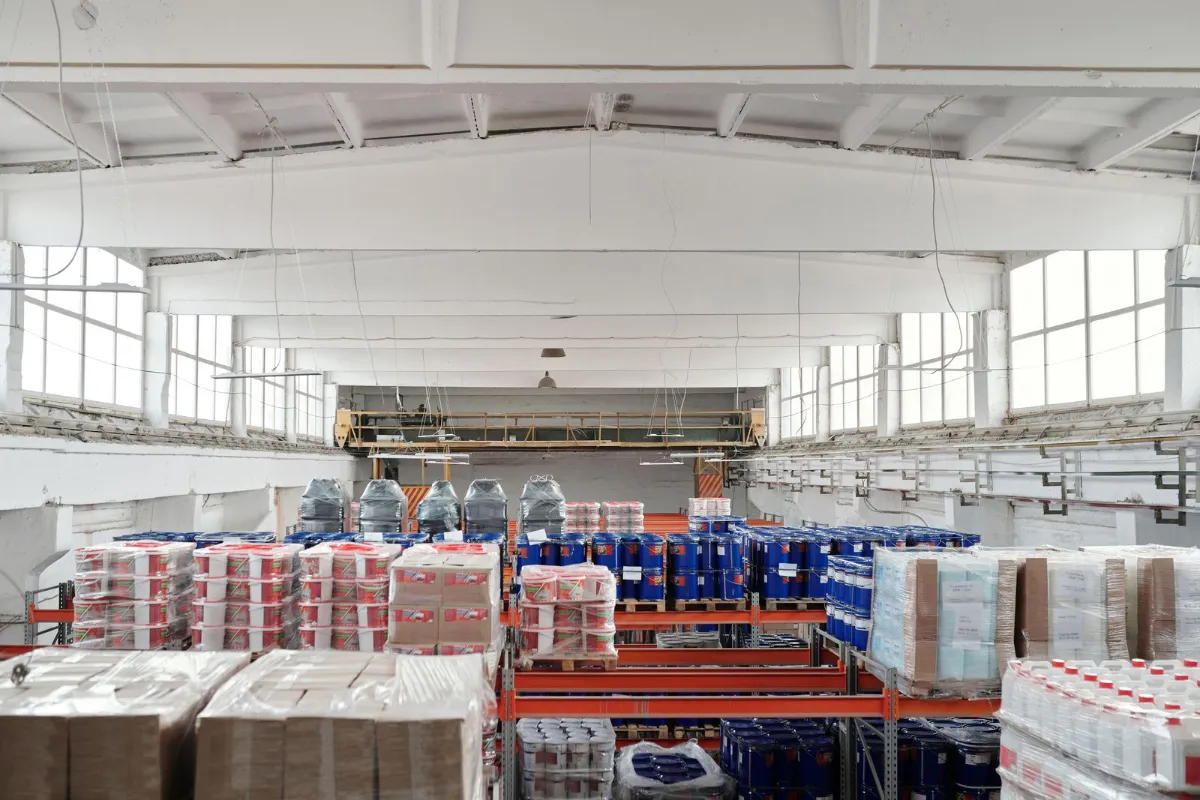
6. On delivery day
- Make sure the named contact is on site and reachable by phone.
- Clear the unloading area and the route to storage.
- Count the pallets and check the wrapping, cases and any visible damage before the driver leaves.
- Note any shortage or damage on the delivery document before you sign it.
- Photograph the issue and contact us promptly with your order reference.
Common pallet delivery mistakes to avoid
Assuming the driver will bring it inside
Pallet delivery is kerbside or to accessible ground level. Plan the last few metres yourself, or agree it in the quotation.
Booking a tail-lift for a full drinks pallet
A pallet over the lift’s limit cannot be lowered safely. If you have no forklift, say so before ordering so the pallets can be planned to suit.
Giving a head-office address
Quotes are priced by postcode. A different delivery address can change the cost and the vehicle needed.
Nobody on site to receive it
A missed delivery can mean a redelivery charge and a delay of several days. Give a mobile number for someone who will be there.
Signing without checking
Once the delivery document is signed as received in good condition, damage claims become much harder. Check first, then sign.
Confirm the receiving plan before dispatch
| Check | Confirmation needed |
|---|---|
| Access | Vehicle restrictions, delivery address and receiving contact. |
| Unloading | Agreed forklift, dock or suitable tail-lift service. |
| Space | Confirmed pallet dimensions and a clear receiving area. |
Use the actual loaded weight and the carrier’s agreed service limits.
Pallet delivery requirements checklist
Copy these details into your quote request:
- Full delivery address and postcode
- Receiving contact name and mobile number
- Receiving hours and closed days
- Number of pallets, or your drinks selection
- Unloading method: forklift, loading bay or tail-lift
- Access restrictions: roads, gates, bridges, parking
- Ground surface between the vehicle and storage
- Booking reference or delivery slot, if required
- Required delivery date, if you have one
Delivery questions
Pallet delivery questions
How heavy is a pallet of soft drinks?
A full pallet of canned or bottled drinks commonly weighs over 1,000 kg. For example, 2,112 × 500 ml cans holds around 1,056 litres, roughly 1,056 kg of drink before packaging and the pallet are added.
Do I need a forklift to receive a drinks pallet?
Not always. Without a forklift or loading bay, a tail-lift delivery may be suitable if the loaded pallet is within the tail-lift’s rated limit and the ground is firm and level. Tell us before ordering so we can check, or build your order into lighter pallets.
What does tail lift delivery mean?
It means the delivery vehicle has a powered lift at the back, so the pallet can be lowered to the ground and moved with a pallet truck when you have no forklift. The ground must be firm and level, and the pallet must be within the lift’s weight limit.
How much does a pallet of Coca-Cola weigh?
A full pallet of Coca-Cola cans usually weighs roughly 0.9 to 1.2 tonnes including the wooden pallet. A 24 × 330 ml case weighs about 8.6 kg, so 100 cases come to around 860 kg of stock before the pallet is added.
What is the weight limit for a tail-lift delivery?
It depends on the vehicle and carrier. Many pallet networks quote around 750 kg for a standard tail-lift service, and a full drinks pallet can exceed that. We confirm the right unloading method for your order before dispatch.
Will the driver bring the pallet inside?
Standard delivery is kerbside or to accessible ground level. Moving goods indoors, up steps or unpacking them is not included unless it has been agreed in your quotation.
How much space does one pallet need?
A standard UK pallet has a 1200 × 1000 mm footprint. Allow extra room around it for a pallet truck and safe access.
What happens if a delivery fails because of access?
A failed or repeat delivery can add carrier charges and delay your stock. Sharing access and unloading details before the order is confirmed is the best way to avoid it.
What should I do if something arrives damaged or short?
Note it on the delivery document before signing, take photographs, and contact us promptly with your order reference.
Keep planning
Related buyer guides
Order planning
Cases or pallets: where should you start?
Weigh turnover, storage and cash before you choose an order size.
Order planning
Mixed drinks pallets
What to confirm when you combine brands and flavours on one pallet.
Pallet maths
How many cases of drinks are on a pallet?
Work out cans, bottles and cases per pallet before you order.
Plan your delivery
Send us your delivery details.
Include your postcode, pallet quantity and how the pallet will be unloaded. We will check the route and confirm the right service in your quotation.