
Order size & storage
Buying Drinks by the Case or Pallet: How to Decide
The right order size depends on your sales rate and operating capacity. A lower price per case does not automatically make a larger pallet order the better purchase.
Start with expected turnover
Estimate how many cases of each product your business sells during a normal ordering cycle. Use your own records where possible. Separate established sellers from new flavours that have not yet been tested with your customers.
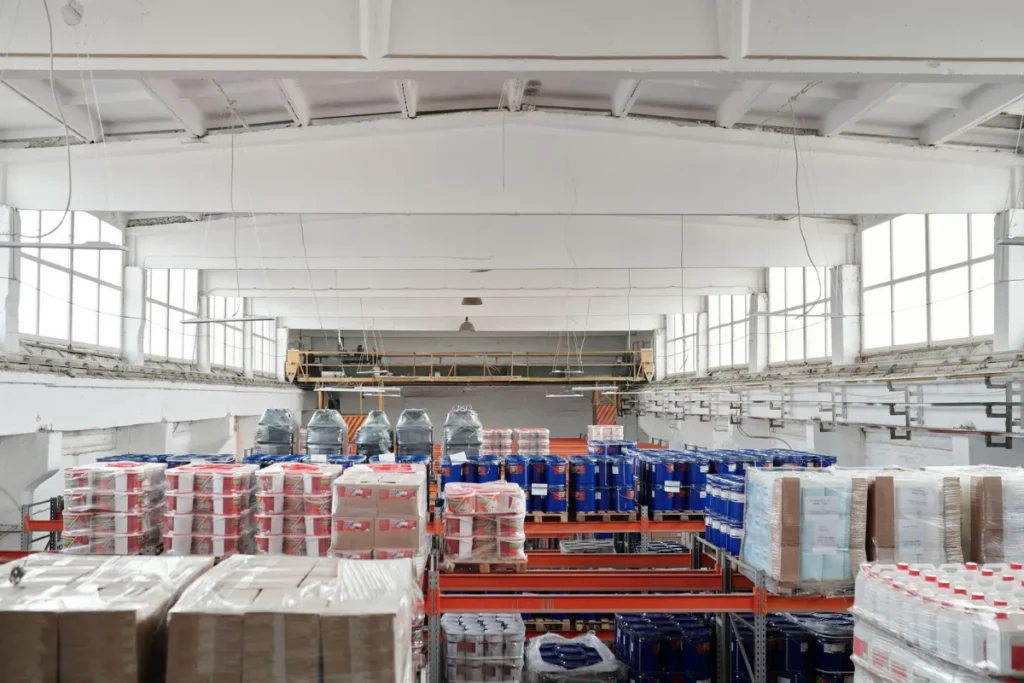
Check the practical constraints
- Available storage space and handling equipment.
- Cash committed to the order.
- Remaining shelf life and realistic sell-through.
- Minimum order quantities offered by the supplier.
- Transport and unloading costs for each option.
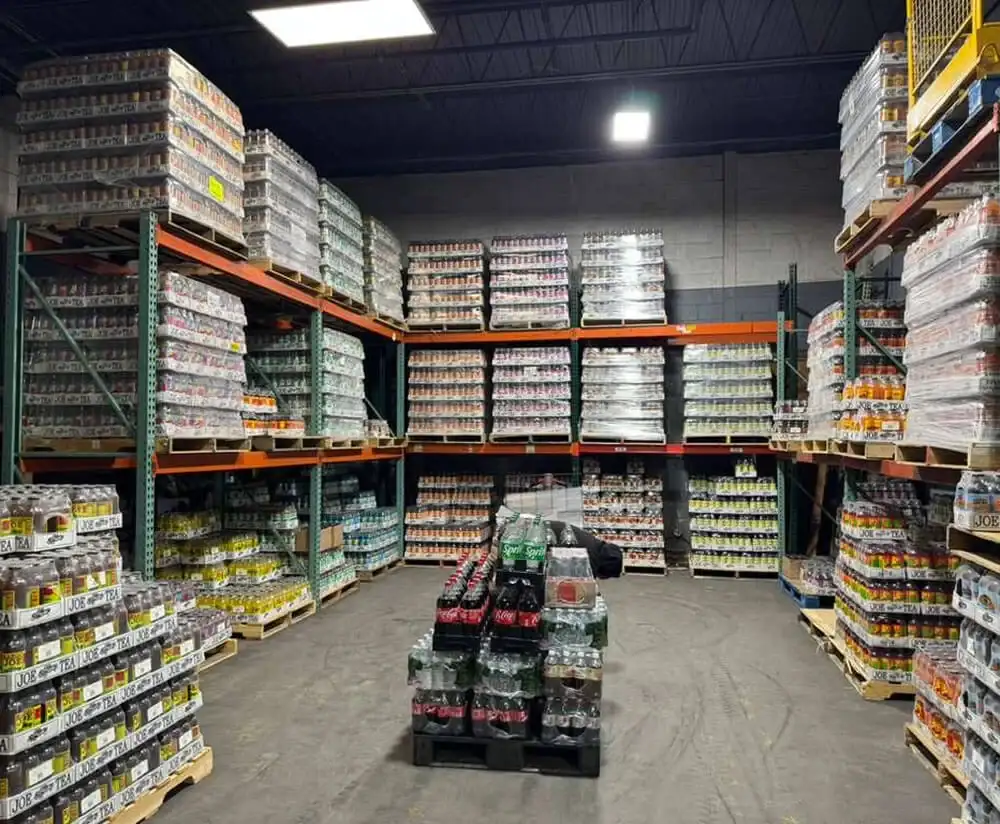
Compare the full order
Calculate total units and the delivered cost on a consistent basis. Larger quantities may change the transport cost per case, but the result depends on the actual quotation. Avoid assuming that a full pallet is always cheaper overall.
For a new line, ask about smaller quantities or a mixed arrangement, if available. For established lines, compare your reorder frequency with the storage and cash requirements of a pallet. Confirm the supplier’s case and pallet configurations in writing before making the comparison.
Estimate how long the stock will last
If your business sells eight cases of a particular line each week, an illustrative 80-case order represents ten weeks of stock before allowing for changes in demand. Calculate coverage separately for each flavour. A slow-selling line can remain in storage long after the most popular products have sold.
Compare that coverage with the batch dates, available storage and the cash committed to stock. Keep enough space for receiving and handling, not only the pallet footprint. A lower unit price is less useful if the order exceeds the amount you can sell and store sensibly.
Separate case selection from order minimum
Choosing individual case quantities does not necessarily mean a supplier accepts a single-case order. TRIMAYU supplies whole cases within orders that meet its destination minimum: one pallet in the UK, five pallets for Europe outside the UK, and a full 20-foot container outside Europe. Available flavours can be combined within a category to help build the order.
See bulk order and mixing arrangements, check receiving and delivery requirements, then request a quotation for a mix that fits your sales plan. Final packing and stock details are confirmed for your order.
Order coverage example
| Input | Illustrative value |
|---|---|
| Weekly sales | 8 cases of the same line |
| Proposed order | 80 cases |
| Stock coverage | 80 ÷ 8 = 10 weeks |
Allow separately for sales changes, transit and remaining shelf life. This is not a recommended order quantity.